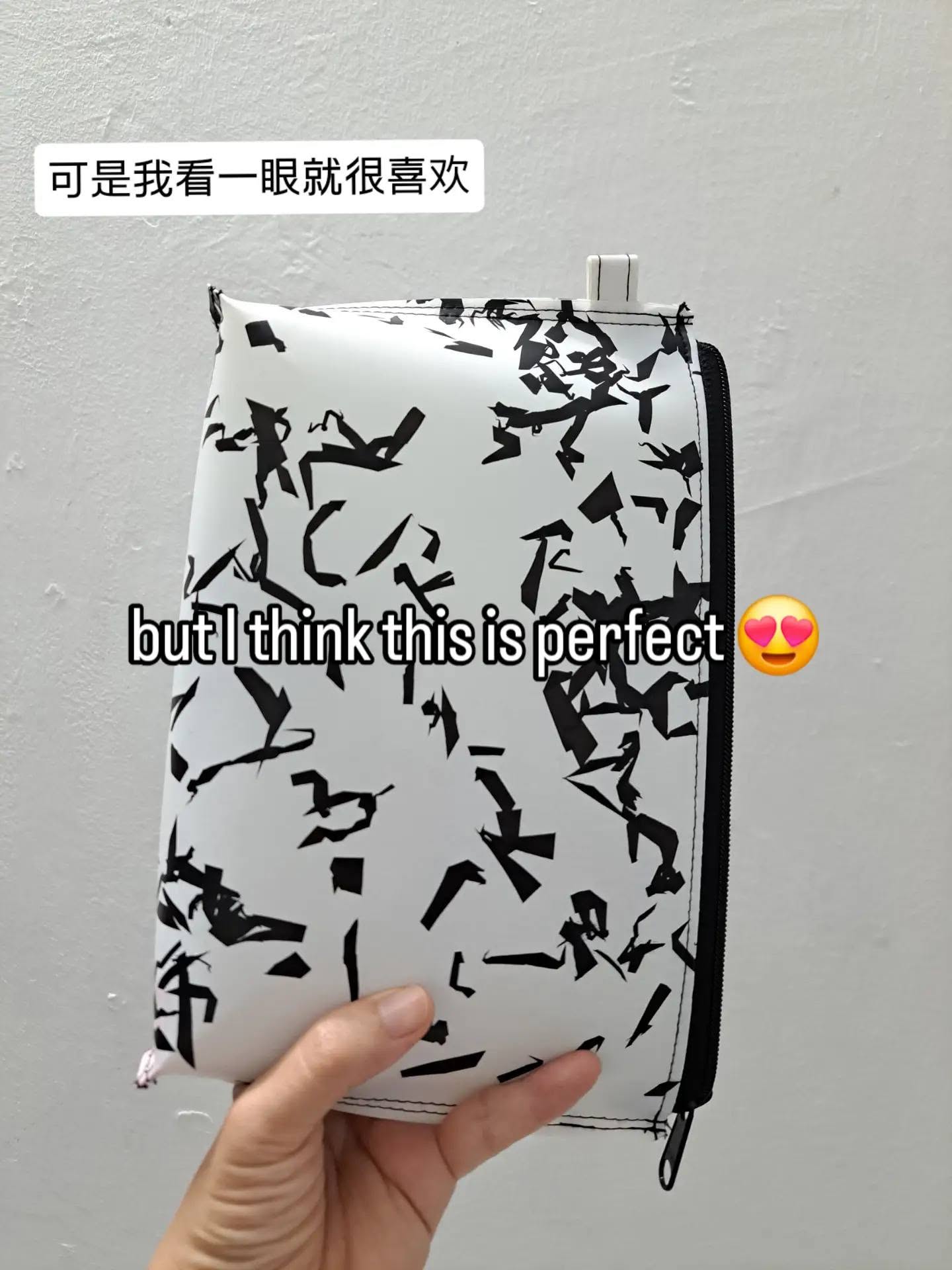
Sometimes, the most meaningful product stories begin with a simple question: Why did someone choose to buy it?
Recently, a customer shared why she fell in love with one of Hara Makers’ upcycled bags. Made by women from lower-income communities using repurposed plastic, the bag caught her attention despite its small imperfections.
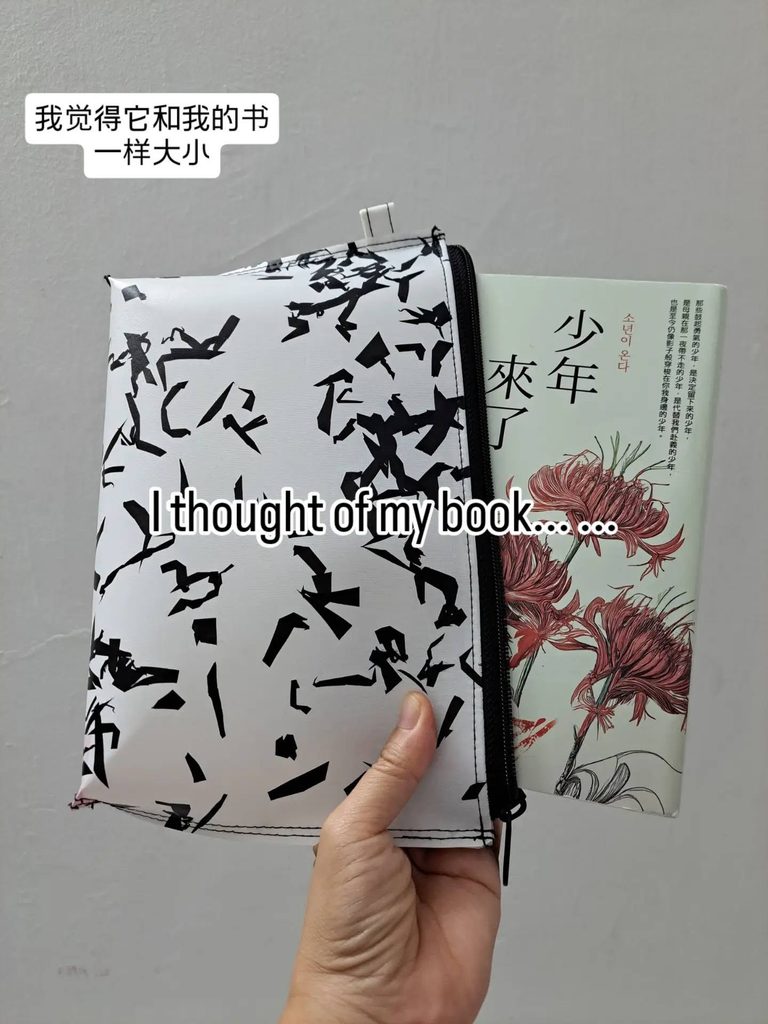
As she shared, the bag was almost the same size as her book, just right for protecting the corners of the book she carries with her.
For us, this is exactly what makes an upcycled product meaningful.
A Bag with Two Stories
What may look like a simple upcycled bag actually carries two stories.
The first is the story of the material.
Discarded plastic is collected, processed, and transformed into something useful. Instead of immediately becoming waste, the material is given another purpose and another opportunity to stay in use.
The second story is about the people behind the product.
Each bag is handcrafted by women from our community who have been learning, practising, and developing their skills through upcycling work. Every stitch represents time, effort, patience, and craftsmanship.
These products may not have the uniform perfection of factory-made goods and that is part of their story.
Behind every handmade piece is a person who has contributed their skills and effort to create something useful.
Upcycling Is Not an Excuse to Use More Plastic
There is an important question behind every upcycled product:
If plastic can be transformed into something new, does that mean we can continue using and throwing away plastic freely?
Of course not.
Upcycling is only one small part of a much bigger conversation about plastic consumption and waste.
It does not remove the need to reduce unnecessary consumption, avoid single-use plastics where possible, reuse what we already have, and improve how waste is managed.
At Hara Makers, we see upcycling as a practical intervention for materials that already exist. It allows us to explore how some discarded materials can be kept in use for longer while creating opportunities for people along the way.
When a Purchase Creates More Than a Product
A customer choosing an upcycled bag may seem like a small decision.
But when many people make thoughtful choices, those decisions can create a wider impact.
Purchasing a community-made product can help support:
- Income opportunities for women from lower-income communities
- Skills development through hands-on craftsmanship
- Responsible material reuse by keeping discarded materials in use
- Greater awareness about consumption and waste
- Community participation in practical sustainability solutions
This is why we believe that the story behind a product matters.
It is not simply about what the product looks like or what it can carry. It is also about the people who made it, the materials used, and the choices that made its creation possible.
What Businesses Can Do
This way of thinking is not limited to individual consumers.
Businesses also have an important role to play in creating more responsible consumption and production systems.
Sometimes, impact does not have to begin with a huge sustainability programme.
It can start with something as simple as choosing community-made products for corporate gifts, creating meaningful bulk orders, working with local communities, or finding ways to reuse existing materials.
Through collaborations with businesses and organisations, Hara Makers creates opportunities to connect plastic waste management, community livelihoods, and purposeful products.
A corporate order can become more than merchandise. It can support skills development, create income opportunities, and communicate a meaningful sustainability story to employees, clients, and stakeholders.
A Different Kind of Cycle
We often talk about creating a circular economy, but a truly meaningful cycle should include more than materials.
It should include people.
Materials are collected and transformed. Skills are developed. Income opportunities are created. Products are used. Stories are shared. And awareness continues to grow.
That is the kind of cycle we hope to build at Hara Makers; one where materials are valued, people are valued, and sustainability becomes part of how we live, consume, and do business.
So, the next time you see an upcycled product, look beyond the surface.
Ask where the material came from.
Ask who made it.
And perhaps most importantly, ask what your purchase makes possible.
Because sometimes, a small bag can carry a much bigger story.
Source: Information obtained from Reimagine Plastic & Shuen 与地球