OUR STORY
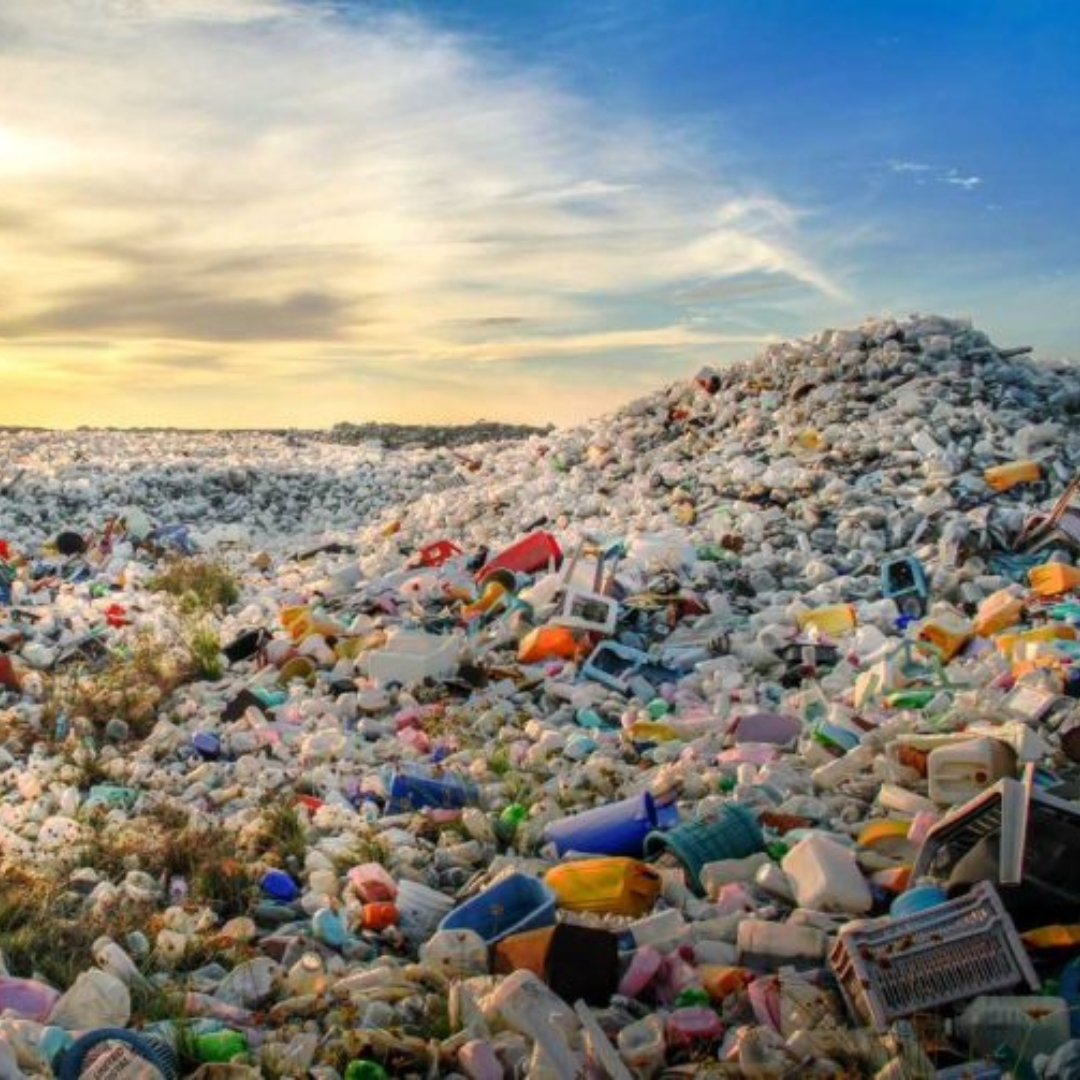
Hara Makers began with a simple but uncomfortable observation:plastic waste was everywhere, yet responsibility for it was nowhere.
Rivers were clogged, communities were affected, and lower-income community were often left out of conversations about sustainability, even though they were the ones most impacted by environmental neglect.
We didn’t start Hara Makers to “solve” plastic pollution. We started it to respond responsibly to the waste that already exists, while creating fair income opportunities for people who are often excluded from economic systems.
A Different Way of Looking at Sustainability
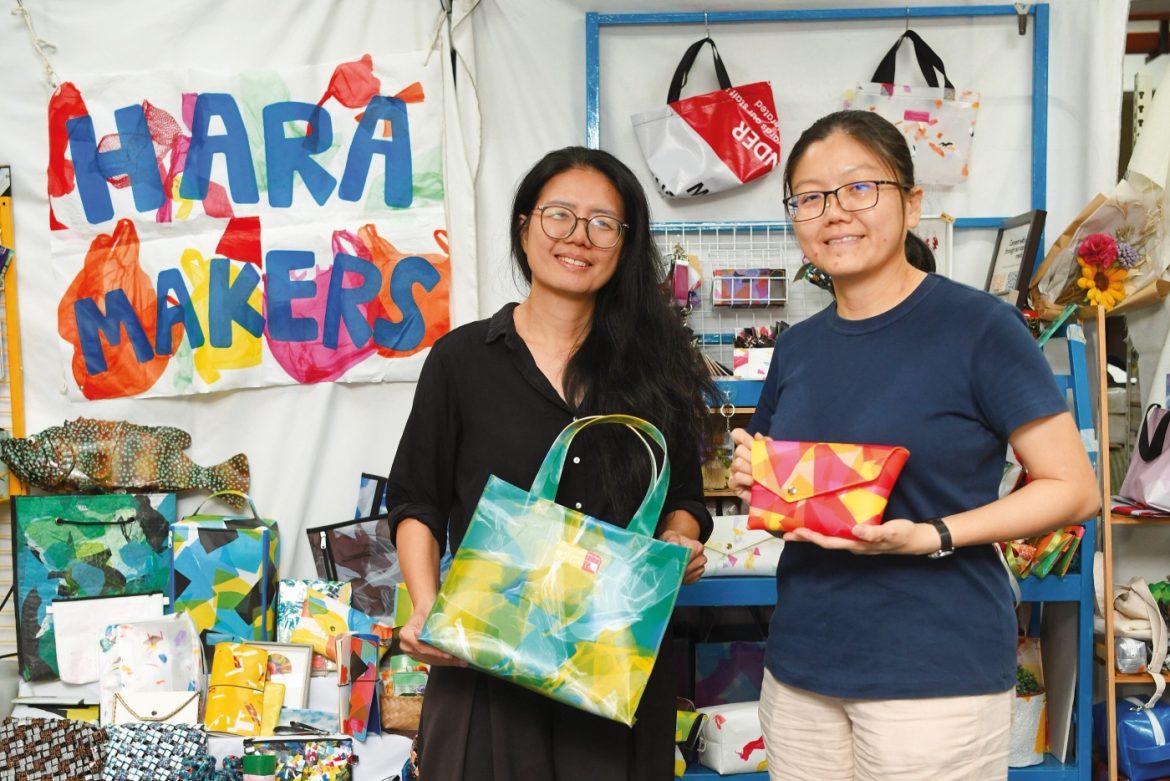
From the beginning, we were clear about one thing: upcycling is not the solution to plastic pollution.
Turning waste into products does not justify continued overproduction or single-use consumption. But ignoring existing waste doesn’t make it disappear either.
So we chose a middle ground, one rooted in honesty.
At Hara Makers, upcycling is a tool, not a claim. A way to manage existing plastic responsibly, while keeping people at the centre.
People Before Products
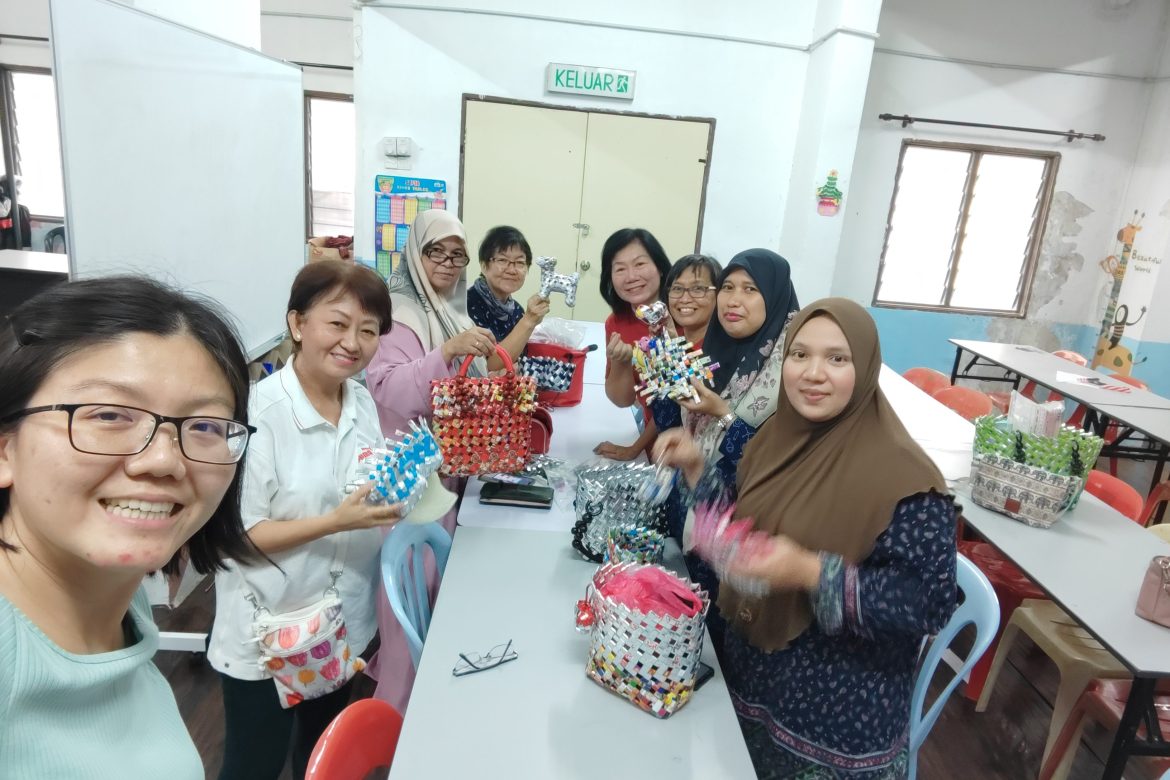
Our work focuses on women from lower-income communities.
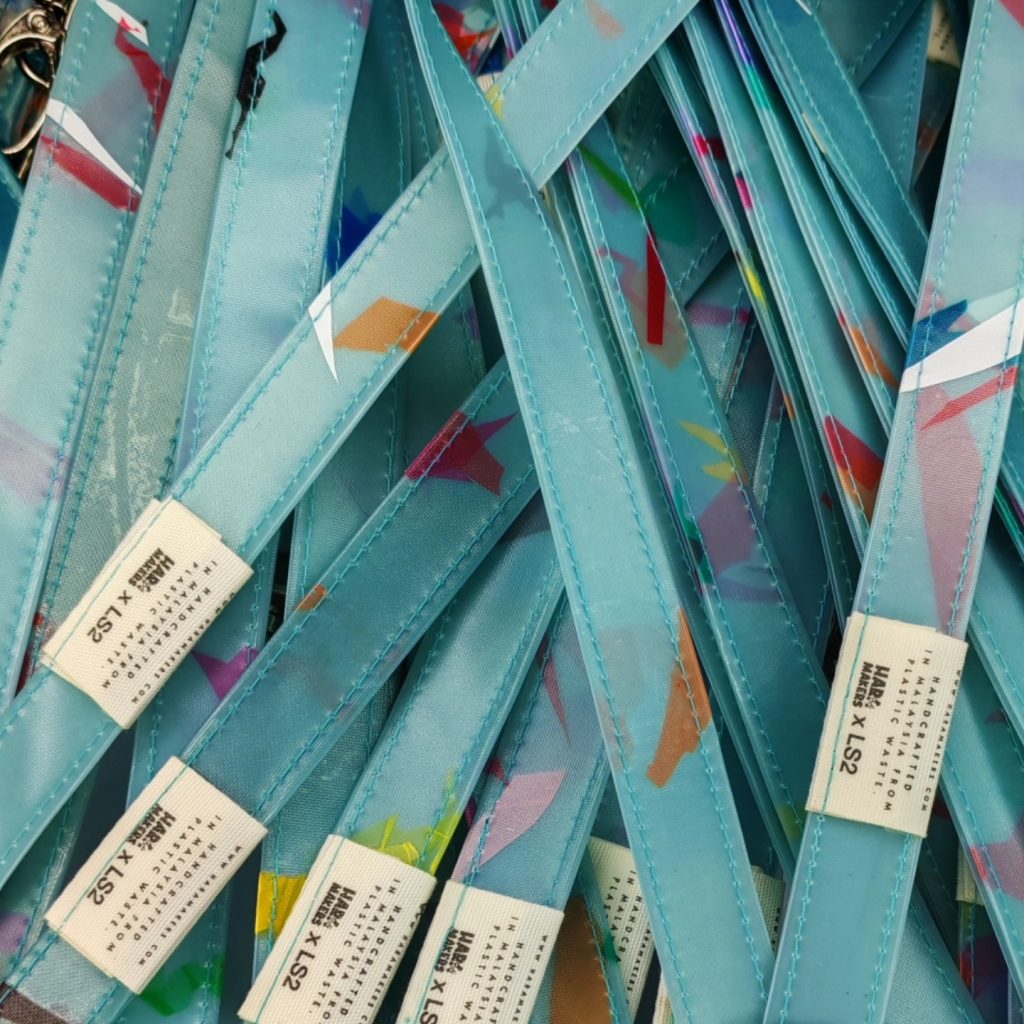
Through hands-on training in sewing and plastic upcycling, women gain practical skills, confidence, and income. The work is slow, careful, and human — intentionally different from mass production.
Each item made at Hara Makers carries:
- The time it took to clean and prepare the material
- The skill required to transform it
- The dignity of fair, paid labour
These details matter to us, and they matter to the people who use our products.
Why the Corporate Buy-Back Programme Matters
As we grew, it became clear that community work alone was not enough.
Without addressing where plastic comes from and who is responsible for it, upcycling risks becoming performative.
The Corporate Buy-Back Programme became the foundation of Hara Makers. It allows companies to
- Take responsibility for their own plastic waste,
- Support community livelihoods directly.
- Turn accountability into measurable, human-centered impact
This isn’t about perfection, it’s about real responsibility and tangible results.
Grounded in Reality
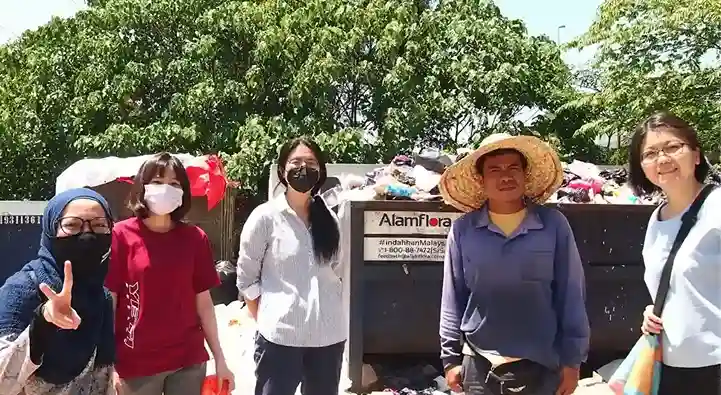
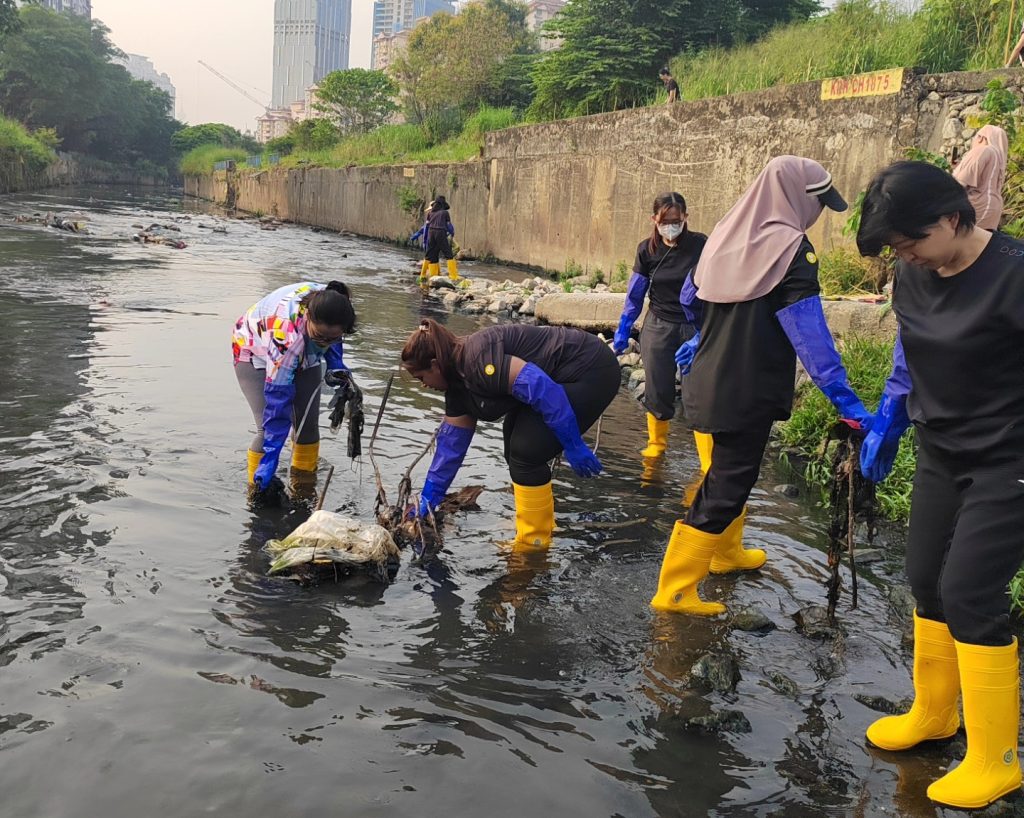
Our river clean-ups keep us honest.
Standing by polluted waterways reminds us why we do this work, and why downstream solutions alone are not enough. These moments shape our conversations with partners, volunteers, and ourselves.
Sustainability, to us, is not a label.It is an ongoing practice of learning, questioning, and showing up.
Looking Forward
Hara Makers continues to grow slowly and intentionally.
We collaborate with companies, communities, and individuals who understand that meaningful change takes time, and that responsibility cannot be outsourced.
If our story resonates with you, we welcome the conversation.